


In Ontario, all registered real estate salespeople and brokers are required to participate in the Real Estate Council of Ontario’s insurance program (see the Trust in Real Estate Services Act and regulations). This program includes “consumer deposit insurance,” which protects individuals who lose deposits due to real estate broker fraud, among other things. It is […]
Category Archives: Asset Recovery & Enforcement
Court Considers Defence of Improvident Sale to Liability Under Personal Guarantee

In Calicom Solutions Inc. v. Sunil, the Superior Court of Justice considered whether to grant summary judgment in favour of creditors that had sued defendants for liability arising under personal guarantees. One of the arguments raised by the defendants in opposing the motion was that a receiver appointed by court order had undertaken an improvident […]
Pursuing Claims Against Bankrupt Debtors

It is often thought that once a debtor makes an assignment in bankruptcy, it is no longer possible to pursue litigation against them. In some situations, this may be true. However, the Bankruptcy and Insolvency Act contains various exceptions to this general principle. This blog will outline some of those exceptions. Effect of Bankruptcy on […]
Court Calls Out Attempts at Forum Shopping
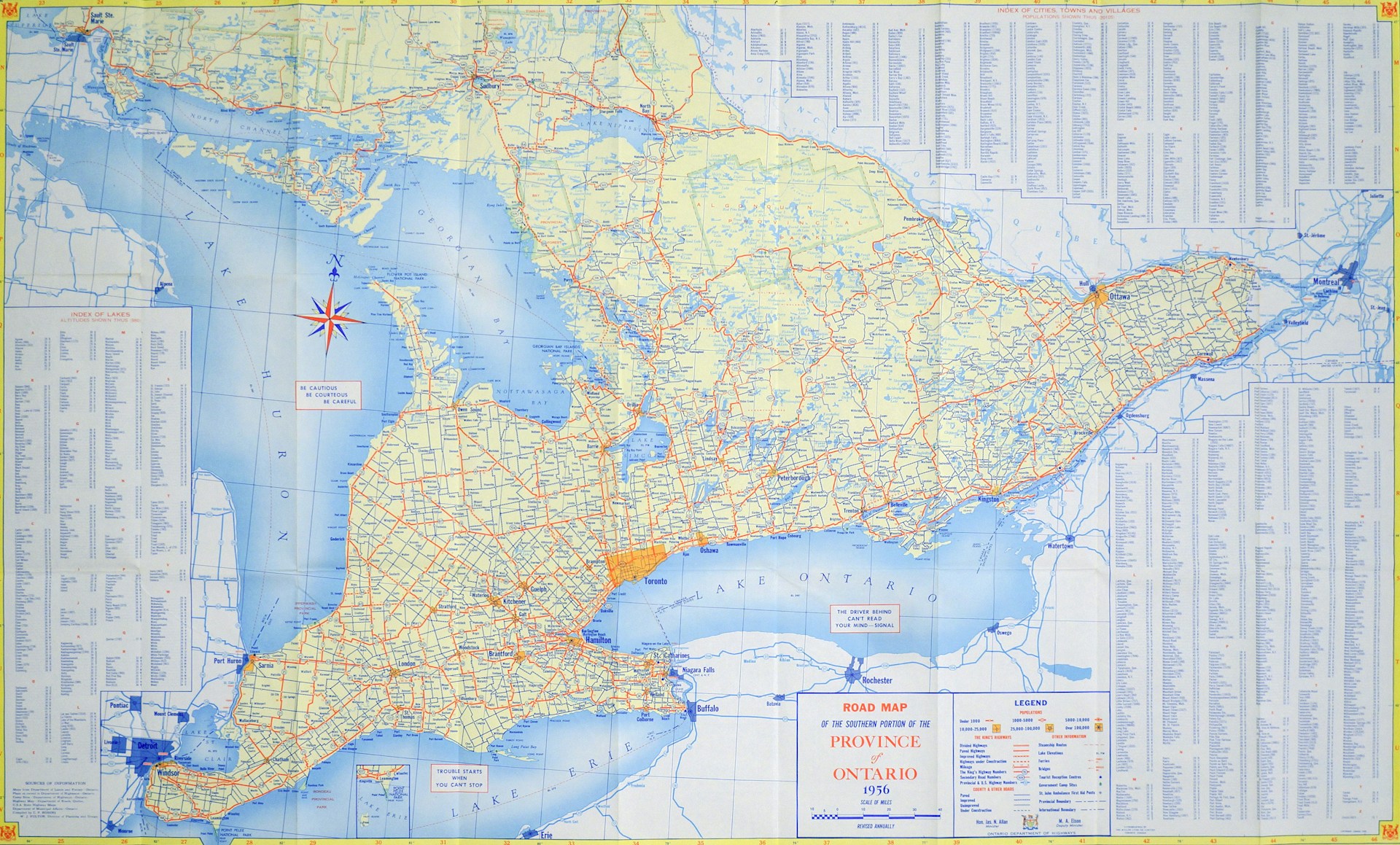
It is not uncommon for a plaintiff to commence a lawsuit in a particular jurisdiction where they believe it will result in a more favourable outcome for them or other strategic reasons. This practice is commonly known as “forum shopping.” Ontario courts have recently become more skeptical of the practice, and a recent decision helps […]
Ontario Court of Appeal Confirms Limits on Norwich Orders During Appeals

In Canadian Tire Corporation, Limited v. Eaton Equipment Ltd., the Ontario Court of Appeal addressed an increasingly relevant procedural issue: whether litigants can obtain a Norwich order—a powerful pre-trial disclosure remedy—during the appeal stage of a proceeding. The decision reinforces the principle that appellate courts are not venues for expanding the evidentiary record or revisiting […]
Court Considers Penalties Against Judgment Debtor for Contempt of Court

Enforcement against judgment debtors often requires recourse to Rule 60 of the Rules of Civil Procedure. The Rule sets out various enforcement mechanisms, including writs of seizure, sale, and garnishment. Rule 60.18 also sets out how a judgment creditor may examine a debtor about their income and property, also known as an examination in aid […]
A Primer on Garnishment and How It May Be Contested

Garnishment can be a powerful debt collection method by which a creditor can satisfy a judgment it obtains against a debtor. It is commonly used in the context of employment, where a debtor’s employer must turn over a portion of the debtor’s wages to the creditor. However, it can also be used in other contexts […]
Ontario Court of Appeal Confirms Limits on Challenging Foreign Judgments

Cross-border commercial disputes are increasingly common, particularly in industries involving international supply chains. When a party obtains a judgment outside of Canada, a key question often arises: will Ontario courts recognize and enforce that foreign judgment? The decision in Roger Vanden Berghe NV v. Korhani of Canada Inc. provides important guidance on this issue. The […]
Applying to Court For the Appointment of a Receiver

Occasionally, when creditors are concerned about the value of their security or their ability to recover from a debtor, they may seek the assistance of a receiver. Generally speaking, a receiver is a third party appointed to take control of and manage a business or property, liquidate assets and/or settle debts. Receivers can be privately […]
Stopping Fraud Before It’s Too Late: The Role of Injunctions in Fraud Litigation

Fraud can have devastating consequences for businesses and individuals alike, often resulting in significant financial losses and reputational harm. When fraud is suspected, swift legal action is crucial to prevent further damage. One of the most powerful legal tools available to combat fraud in Ontario is the use of injunctions. These court orders can freeze […]