


The Supreme Court of Canada (SCC) originally created a duty of “good faith in contractual performance” in its 2014 decision of Bhasin v. Hrynew. In the decision, the SCC recognized an organizing principle of good faith that parties generally must observe in order to perform their contractual duties honestly and reasonably and not capriciously or […]
Category Archives: Contract Disputes
Derivative Contracts: Speculation or Hedging?
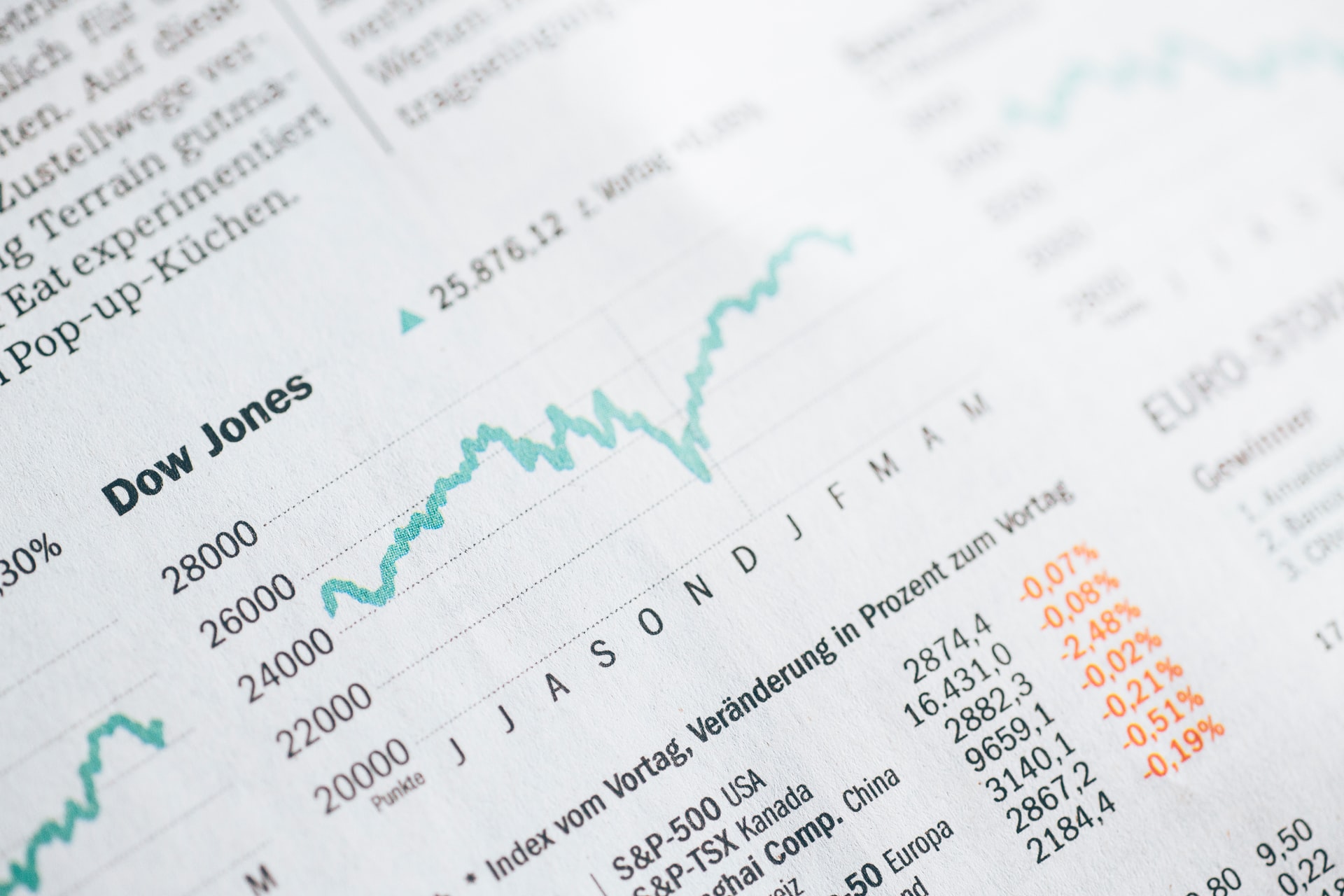
The Supreme Court of Canada (SCC) recently released an important taxation decision dealing with how to characterize capital and income losses under a derivative contract. In MacDonald v. Canada, a taxpayer sought to deduct payments he had made to his bank as part of a loan arrangement. His position was that the payments were income […]
The Enforceability of Arbitration Clauses in Ontario

Whether in a shareholder agreement or an employment contract, the enforceability and permissible scope of an arbitration clause have been hot topics in Ontario courts in recent years. Below, we will look at how the courts have interpreted these issues and what it means for arbitration clauses in contracts going forward. What is an Arbitration […]
Force Majeure and Frustration in Contracts Following the COVID-19 Pandemic

COVID-19 has clearly had a significant adverse impact on the economy of Ontario, Canada and the global economy. Given the impact of social isolation and physical distancing, and the closure of non-essential businesses, the reality is many individuals and businesses will be unable to fulfil their ongoing contractual commitments. What are the available legal defences? […]
Verbal Terms Cannot Contradict the Written Contract

Introduction We all say we know the consequences of signing a legal document. We would say it means that we have entered into a binding contract according to its terms. This is so whether we have read the terms or not. Yes, there may be defences available such as a non est factum (not my […]
The Northern Picasso and a Sale by Description

Introduction The deceased Anishinaabe visual artist Norval Morriseau was the founder of the Woodfield school of painting and became known as the Northern Picasso. He is perhaps the best known Indigenous Canadian artist of his time. The case below centres on one of his paintings, entitled “Spirit Energy of Mother Earth”, that claims to be […]
When is Legal Commitment Unconscionable?

Introduction It is extremely difficult to set aside an agreement or transaction based on the doctrine of unconscionability. The adjective itself means an action not guided by one’s conscience and is unscrupulous, or not in accordance with what is just or reasonable, that is excessive or extortionate. A legal commitment may end up being seen […]
Dependent Contractors, Exclusivity & Reasonable Notice

Introduction Contractors in law are distinct from employees. Employees are entitled to a reasonable period of notice if the relationship is terminated by the employer. This is an implied term of any contract of employment at common law. A contractor is usually considered as being independent meaning that they control their work, use their own […]
Rolling Limitation Periods in Contract Litigation

Introduction The usual rule is that once an event occurs which triggers a possible legal action, the limitation period in which to do so commences and runs from that occurrence. A rolling limitation period is one that resets as a result of a recurring obligation by the defendant. The issue is not whether the plaintiff […]
Anticipatory Breach of Contract and the Limitations Act

Introduction An anticipatory breach of contract occurs where one party to a contract expresses, or it becomes clear by the circumstances, that they are not going to perform on the due date. The innocent party may accept the repudiation when it occurs and seek damages, or instead, wait until the performance was contractually due and […]